We opened the building in the year we started work on it. Eleven years it had been shut, and 1961 was the number stamped into the concrete near the foundation, the year someone finished building it and handed it over to whatever life would come next. When we pushed the door and let the light in for the first time in over a decade, the rooms were not empty in the way you might expect. They had held onto a few things.
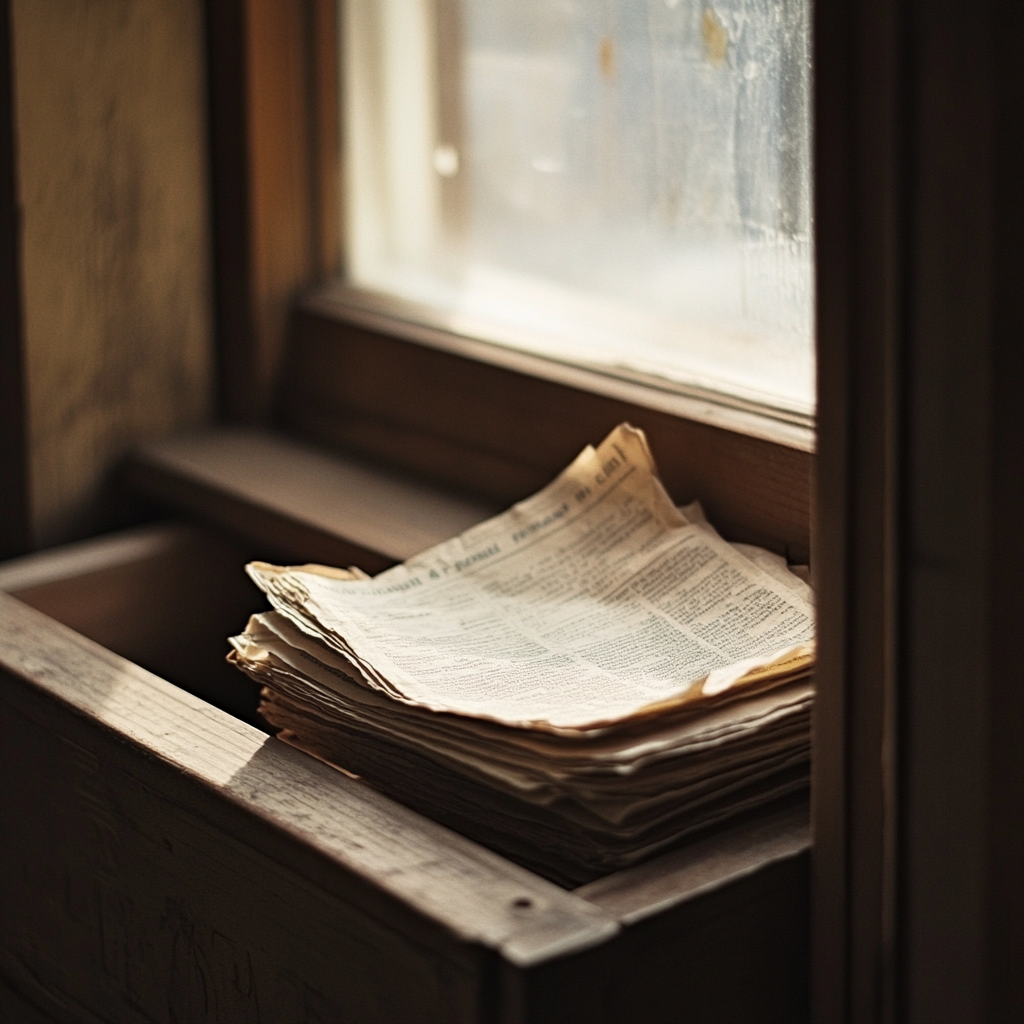
The first was a stack of newspapers, left on a windowsill as if someone had set them down to read later and simply never come back. The paper had gone the color of old bone. The print was still legible in places, headlines from a world that had kept moving without this building. I did not throw them out immediately. I stood there reading a sentence or two, the way you pause over something that was ordinary once and is now evidence. What that windowsill holds now is light. Morning light, mostly, coming through glass that is no longer filmed with dust. The newspapers are gone; the ledge remains, doing what it was always meant to do.
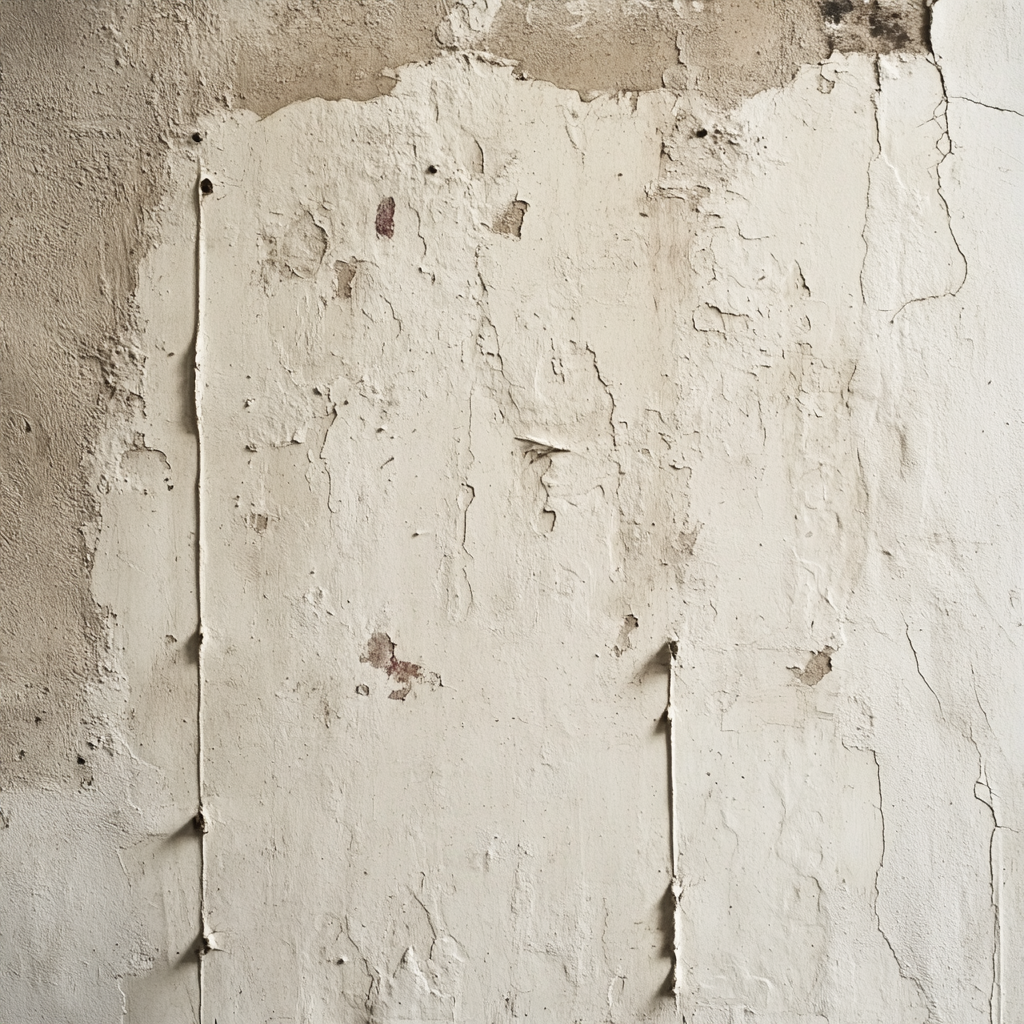
The second thing was a wall. That sounds too simple, but what I mean is a particular wall in one of the interior rooms, where the plaster had been peeling for long enough that the layers had begun to tell a story in cross-section: one coat of paint over another over the original lime, each decade leaving its color behind like a tide mark. The surface was rough and honest in a way that new construction never is. It showed the building's age without apology. We took a long time deciding what to do with it. In the end we replastered, not because the history embarrassed us but because the wall had gone past the point where it could hold anything. What is there now is smooth and pale, and it holds the quiet that the room needed.
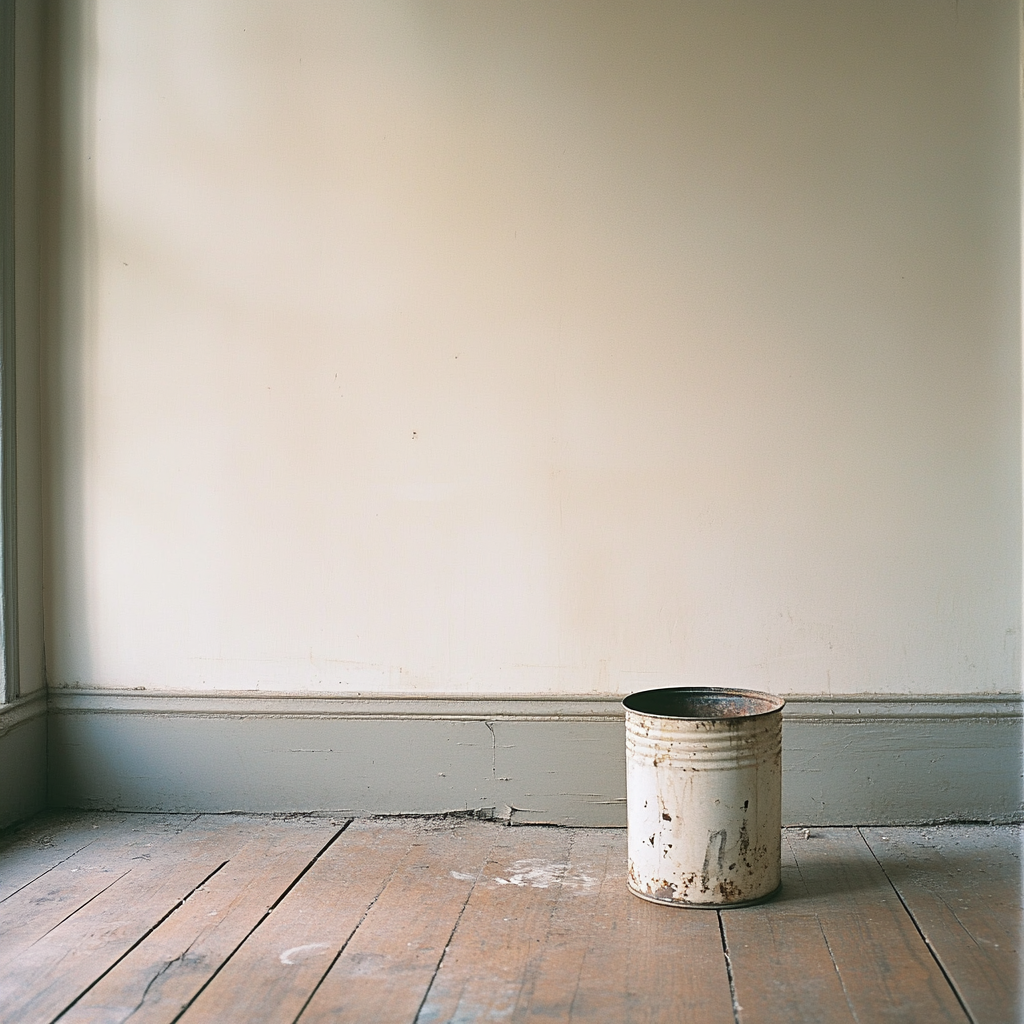
The third thing was a paint can, sitting in the corner of what is now the bedroom. Not an empty can — there was still paint in it, dried to a skin across the top. Someone had been mid-task and stopped. Maybe they ran out of time that day and meant to come back the next morning. Whatever the reason, the can stayed, and the years stayed with it, and the corner collected dust around it as if the room were slowly folding the can into itself. When I lifted it, the floor beneath was a perfect clean circle, the original color of the boards preserved exactly where the can had stood, while everything around it had faded.
We refinished the floors. We replastered. We did not stage the room with anything it did not need. The renovation was not about covering over what the building had been; it was about clearing away what the years had made difficult and leaving the structure to do its own work. No staging means the room earns its own presence, or it does not earn it at all.
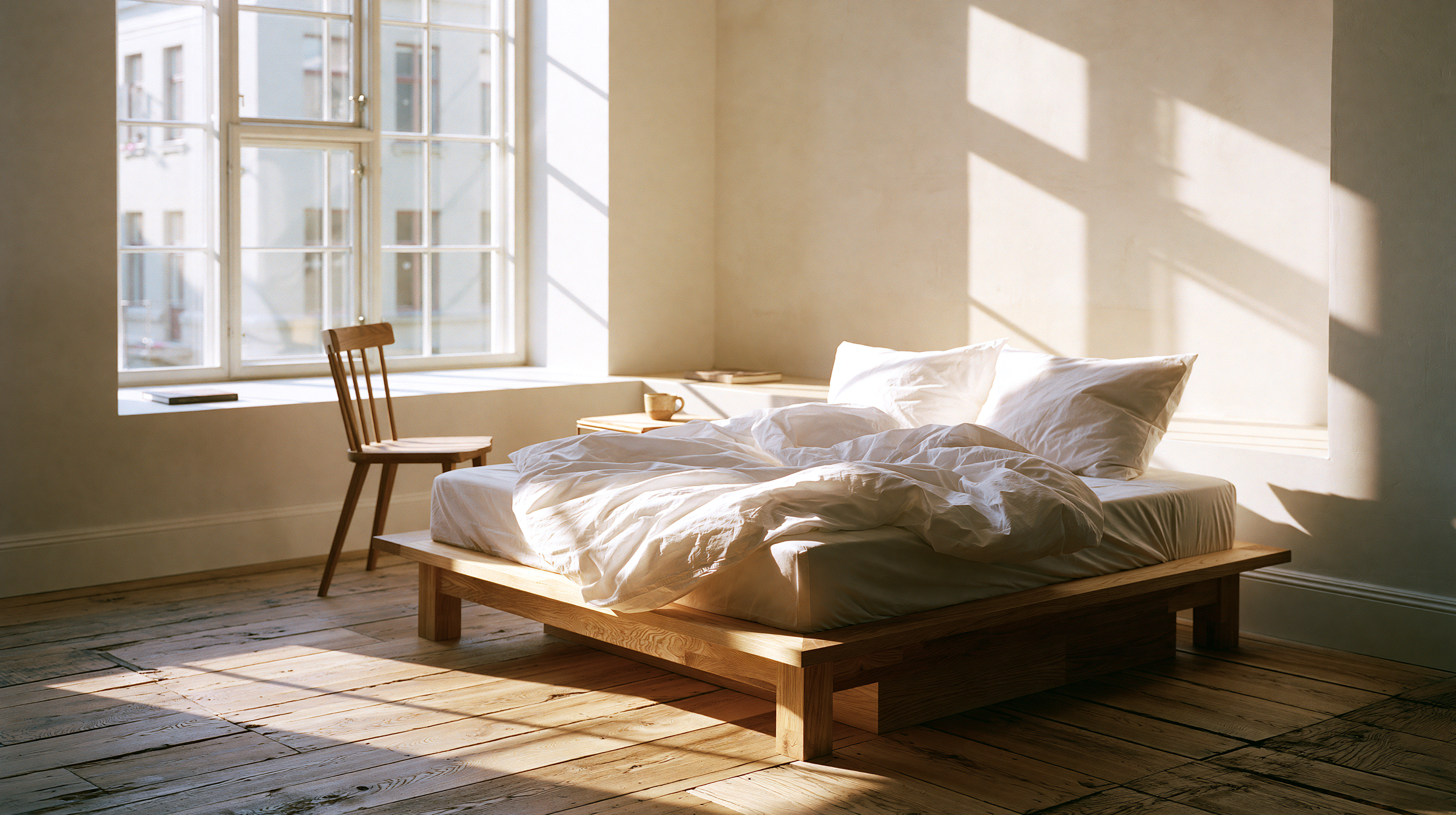
That corner where the paint can stood is still a corner. There is a window above it now, unobstructed, and in the late afternoon a patch of sun falls across the floor at an angle that moves slowly as the hour changes. That is all that is there. That is what replaced it.