Morning doesn't announce itself here. It comes in through the window glass the way sound comes through a wall in an old building: softened, diffused, already half-spent by the time it reaches you. I notice this most on still days, when the street outside hasn't found its rhythm yet and the light on the floor is barely a suggestion. The house sits with it. Nothing in these rooms was arranged to rush anyone along.
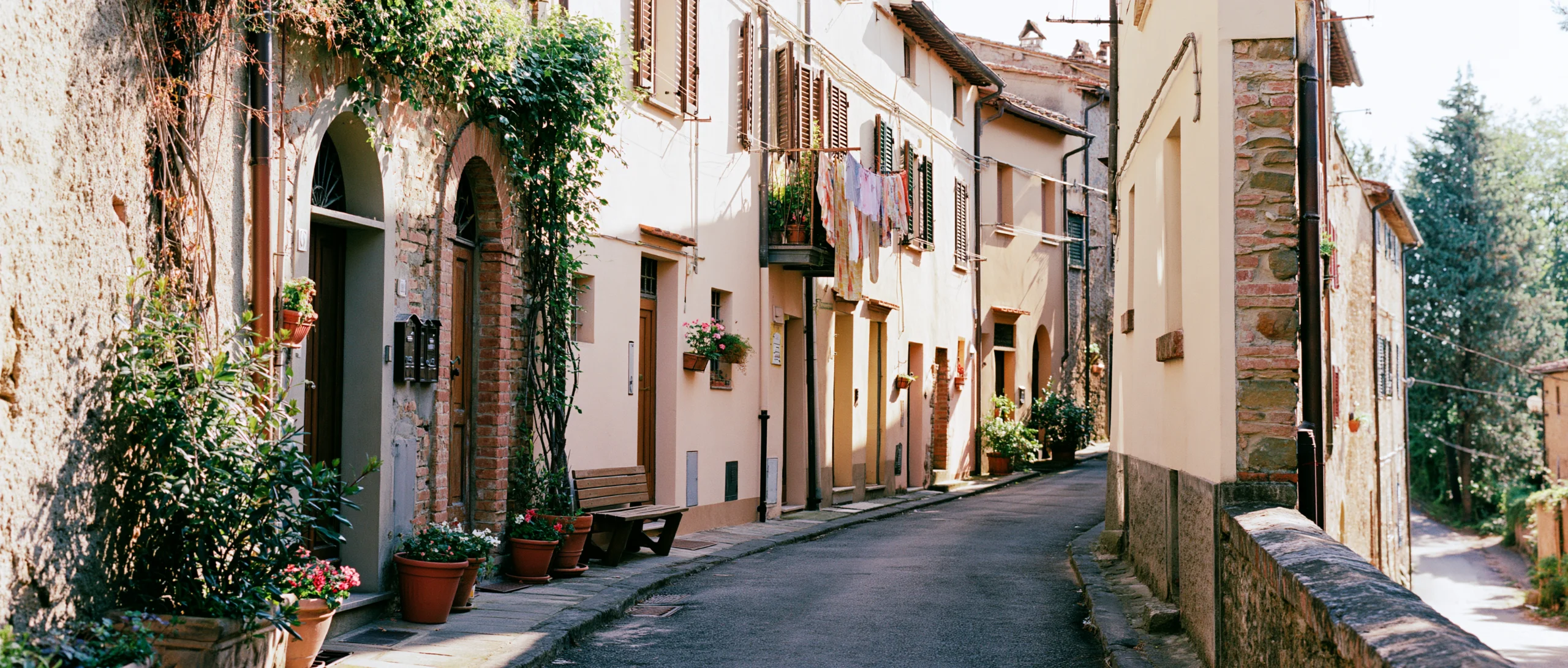
There is no lobby to pass through, no corridor that funnels you toward a checkout desk or a breakfast bell. The entrance opens directly into the life of the place. I built it that way on purpose: a threshold, not a reception. The arched doorway, the potted plants that have been moved and moved again until they found their light, the laundry drying overhead on a neighbor's line, these things belong to the ordinary texture of the street, and I've tried to let that texture in rather than seal it out.
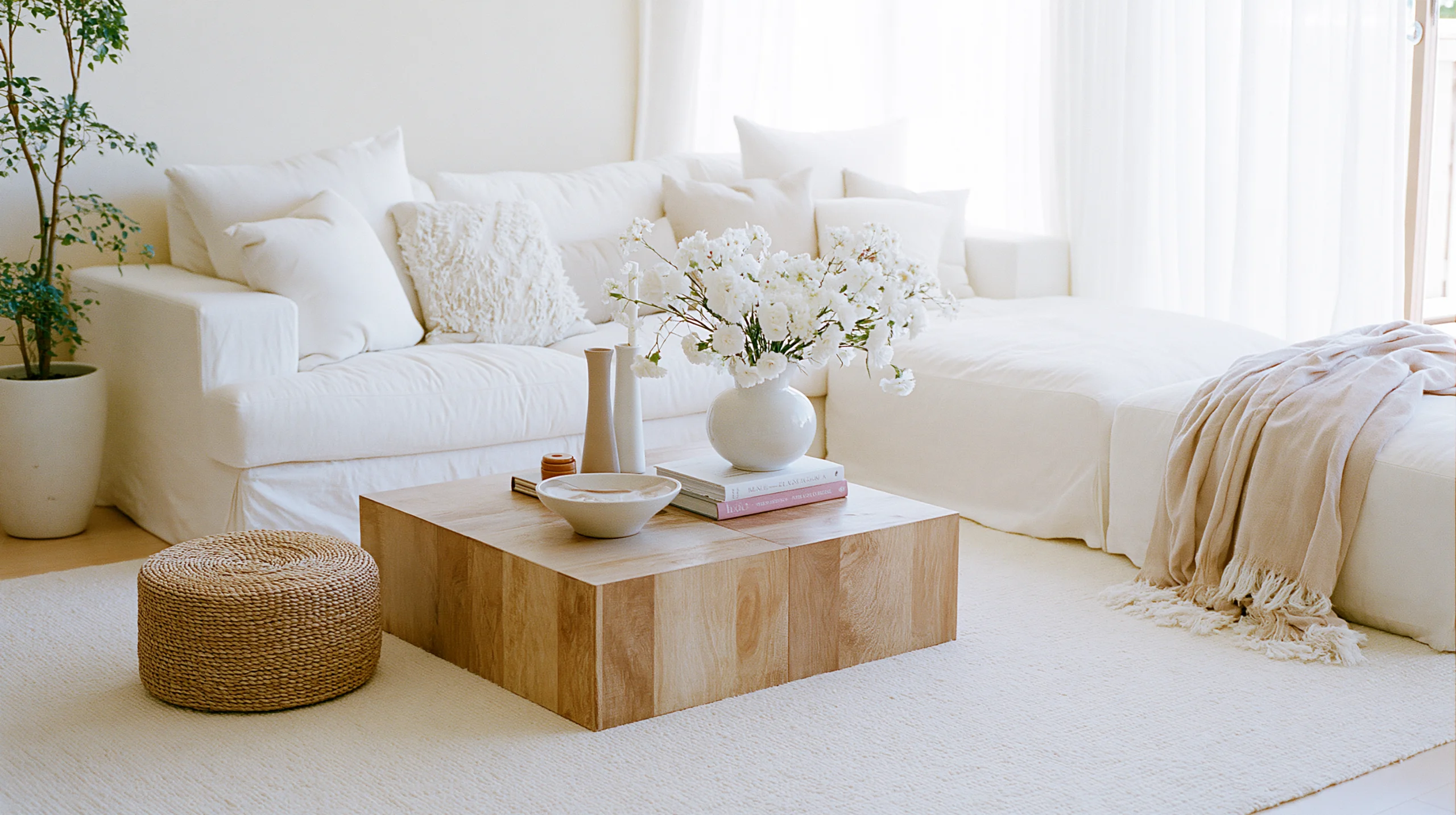
Inside, the sitting room holds its shape through the middle of the day. The white sofa, the low wooden table, the woven pouf pulled close and then pushed back, these pieces were chosen because they don't compete. They make room for whatever the day turns into: a book left open, a cup going cold, an hour that wasn't planned for anything. I've sat in that room on quiet afternoons and found it asking nothing of me, which is the quality I was after when I furnished it.
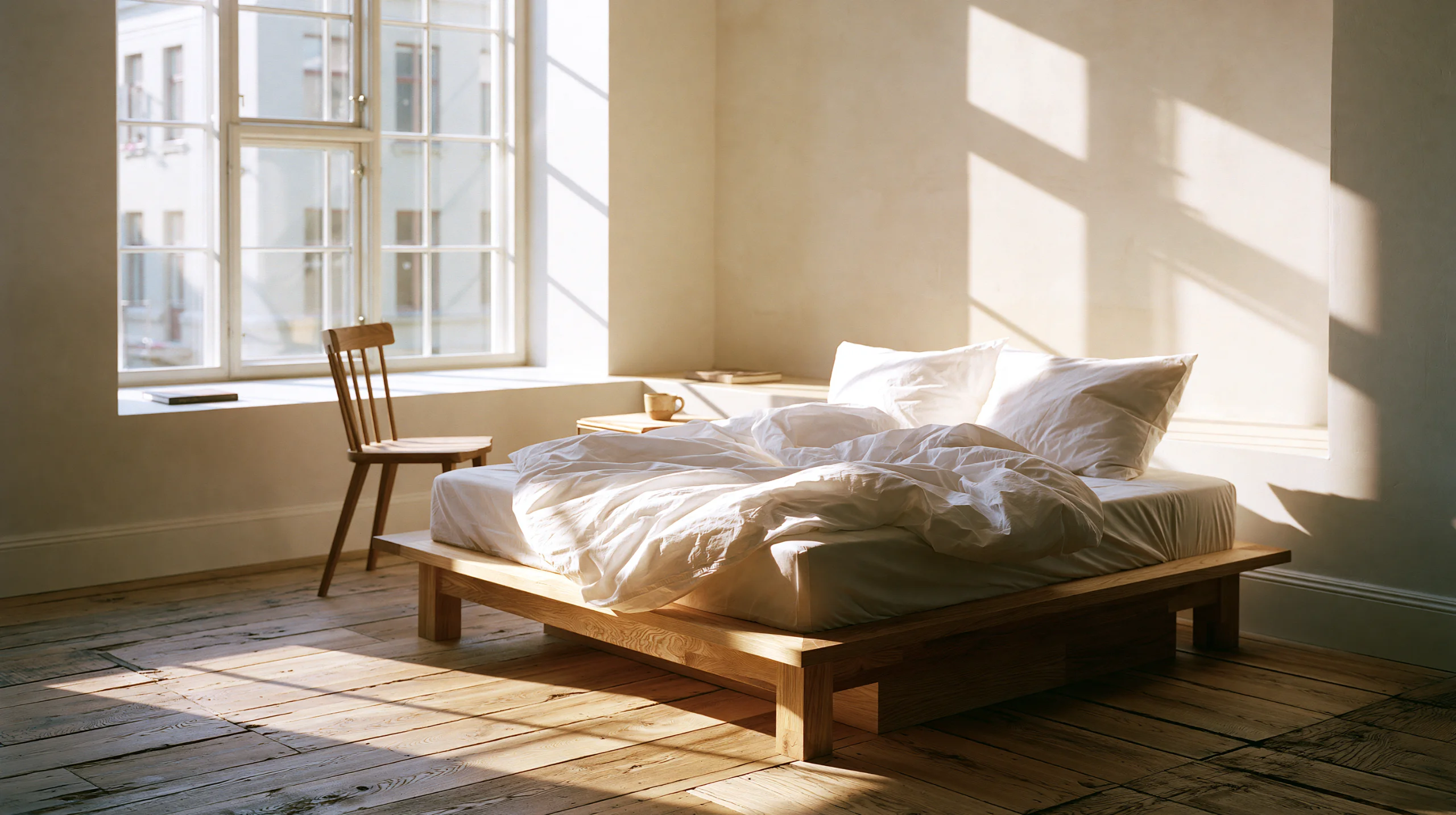
The bedroom is where the light makes its slowest argument. The window there faces in a direction that catches the sun at an angle, so the patch on the wooden floor moves through the morning the way a hand moves across a page: deliberate, unhurried, covering ground without seeming to try. I put the wooden chair where it is because I noticed that patch of light and wanted someone to be able to sit inside it. The bed is positioned so the window is the first thing in your field of vision when you open your eyes. Not a view of anything in particular. Just the frame, and whatever the sky is doing.
I think often about what a room owes the person inside it. Not comfort in the generic sense, not amenities ticked off a list, but something closer to permission. Permission to be slow, to let the afternoon stretch without filling it. The white bedding, the bare wooden frame, the single chair: none of it presses. A room can press, if you let it. Too much pattern, too many surfaces asking to be noticed. I've tried to keep these rooms on the quieter side of that line.
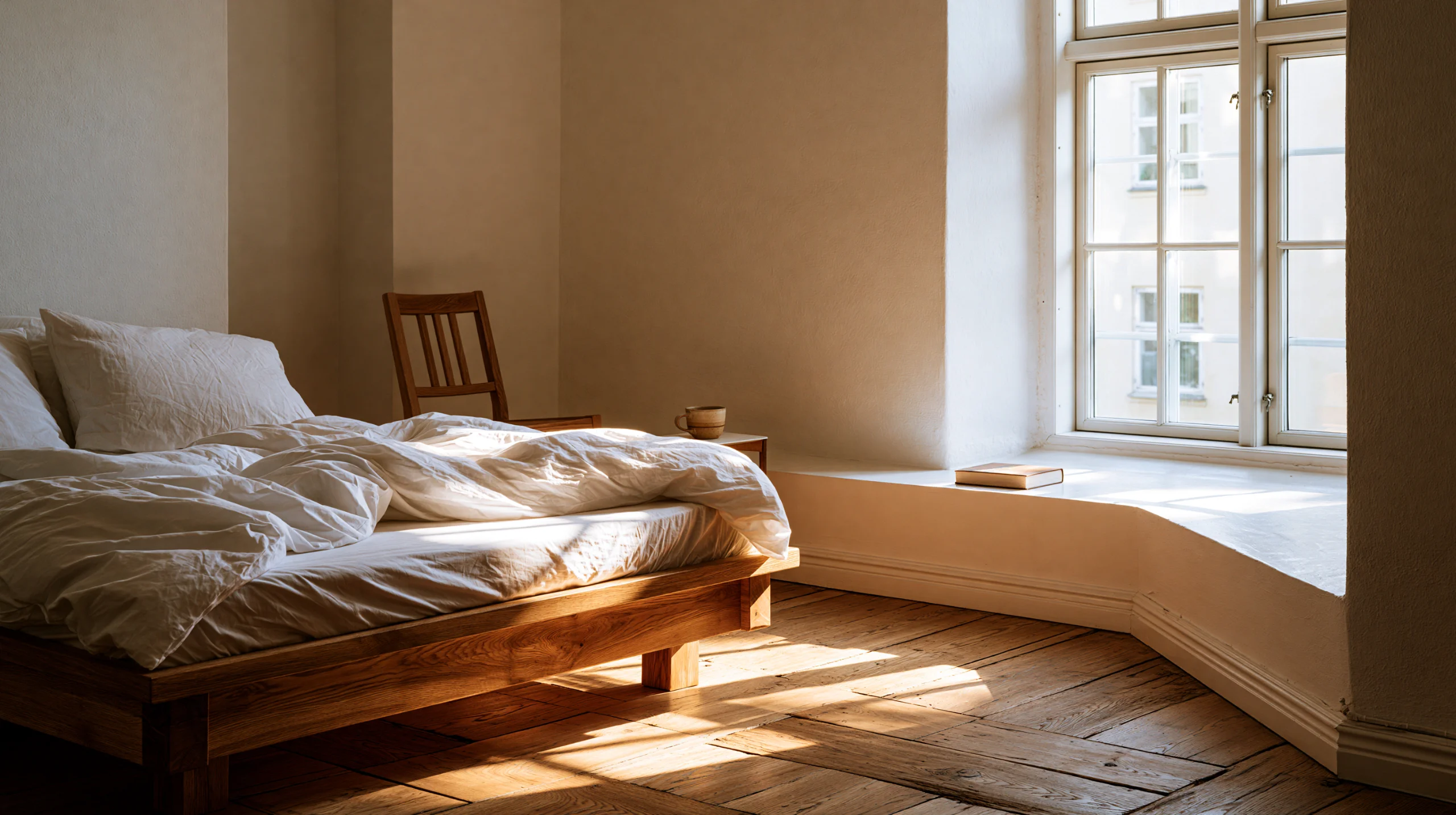
The long afternoon is the part of the day I've come to trust most. The street settles. The light flattens. The wooden floors, which absorb so much in the morning, give something back in the warmth they've been holding. A day that takes its time doesn't need a destination. It just needs enough room to move through, and somewhere to leave its light when it goes.